Why Should Farmers Switch from Chemical Fertilizers?
Farmers worldwide, especially local farmers in India, face mounting pressure from declining soil
fertility and rising input costs due to chemical fertilizers. Switching to organic fertilizers and
sustainable farming practices restores soil health, cuts long-term expenses and ensures resilient crops
for the future of agriculture. Organic manure, biofertilizer, fermented organic manure and liquid
fermented organic manure offer proven alternatives that revive soil microbes and boost yields naturally
without environmental harm.
Chemical fertilizers provide quick nutrient boosts but create dependency cycles, degrading agriculture
farming over time. In India's intensive rice-wheat and coconut systems, overuse has led to 30-50% soil
organic carbon loss, nutrient imbalances (NPK 7:3:1 vs ideal 4:2:1) and groundwater contamination. This
comprehensive guide explores why the switch is essential, backed by field data and provides actionable
steps for organic agriculture transition.
1. Soil Degradation: The Silent Killer
Chemical fertilizers acidify soil (pH drops below 6), compact structure, and kill soil microbes
essential for nutrient cycling. Without organic matter, water retention falls 40-60%, causing drought
vulnerability amid climate change. In Punjab's Green Revolution belts, continuous urea has depleted
micronutrients like zinc, slashing yields 20% despite higher doses.
Organic Fix: Basal application of fermented organic manure (FOM) at 150-200 kg/acre rebuilds
aggregates and pH balance via microbial breakdown. Field reports show organic carbon rising from 0.4% to
1.2% in 6 months, with earthworms returning.
2. Nutrient Imbalance and Dependency
Synthetics deliver soluble NPK but ignore micronutrients and create "luxury consumption," where plants
uptake excess salts, burning roots. Farmers apply 2-3x recommended rates yearly, escalating costs by
25-40% without proportional yields.
Organic Advantage: Organic fertilizer for farming
like biofertilizer (Azospirillum/PSB) fixes atmospheric N and solubilizes P naturally. LFOM
foliar sprays (1:50 dilution, 60 L/acre/month) provide balanced nutrition, reducing chemical needs by
50% in first season.
3. Environmental Pollution and Health Risks
Home compost bin made from green-painted wooden pallets with a "COMPOST" sign.
run-off creates ocean dead zones (eutrophication) and contaminates wells with nitrates, risking
methemoglobinemia in children. India's 6.7M ha saline soils partly stem from this, plus GHG emissions
from synthetic production (1-2% global CO2).
Sustainable Switch: Organic manure sequesters carbon, filters pollutants and supports soil
microbes that detoxify. Coconut farmers using FOM/LFOM report clean irrigation water and premium organic
copra markets.
run-off from chemical fields polluting streams vs. mulched organic farms preventing erosion.
4. Declining Yields and Pest Resistance
Initially boosting growth, chemicals weaken plants long-term by disrupting immunity; pests develop
resistance, spiking pesticide use 300% in India. Monocropping exhausts soil faster.
Natural Resilience: Sustainable agricultural practices with FOM/LFOM enhance root vigor and
antioxidants, cutting losses 15-25%. Rotations with legumes via biofertilizer restore balance.
| Issue |
Chemical Impact |
Organic Solution |
Yield Gain |
| Soil Acidification |
pH 5.5 |
FOM basal |
20% |
| run-off Pollution |
Dead zones |
Organic manure |
Water safe |
| Microbe Loss |
No cycling |
Biofertilizer |
N-fix 30 kg/ha |
| Dependency |
2x doses |
LFOM foliar |
Cost -30% |
| Pests |
Resistance |
Soil health |
Natural defence |
5. Economic Burden on Local Farmers
Chemical costs rose 15% yearly; subsidies mask true expense, but soil repair bills loom. A Tamil Nadu
coconut farm spent ₹20,000/acre on urea/DAP vs. ₹8,000 on FOM/LFOM, yielding 2x nuts/tree/month
post-switch.
ROI Reality: Organics deliver 200-300% returns via sustained fertility - no "crash" after 3
years. Access organic premiums (20-50% higher).
Step-by-Step Transition to Organic Farming
- Cement reservoir with cow manure for crops in rural Hainan
Province, China.
- Soil Baseline: Test pH/EC/NPK/OC via SHC - track like field
reports.
- Year 1 Hybrid: 50% chemical + FOM basal (15 kg/tree) + LFOM (60
L/month).
- Foliar Support: LFOM 1:50 weekly for vegetative stress relief.
- Mulch + Rotate: 15-20 kg/tree residues; legumes off-season.
- Monitor: Retest quarterly; full organic by Year 2-3.
Sustainable farming practices yield stable 15-30% increases.
Discover agricultural solutions like
NABL-tested organics.
Real Farmer Stories
In Coimbatore, a 10-acre maize farmer cut chemicals
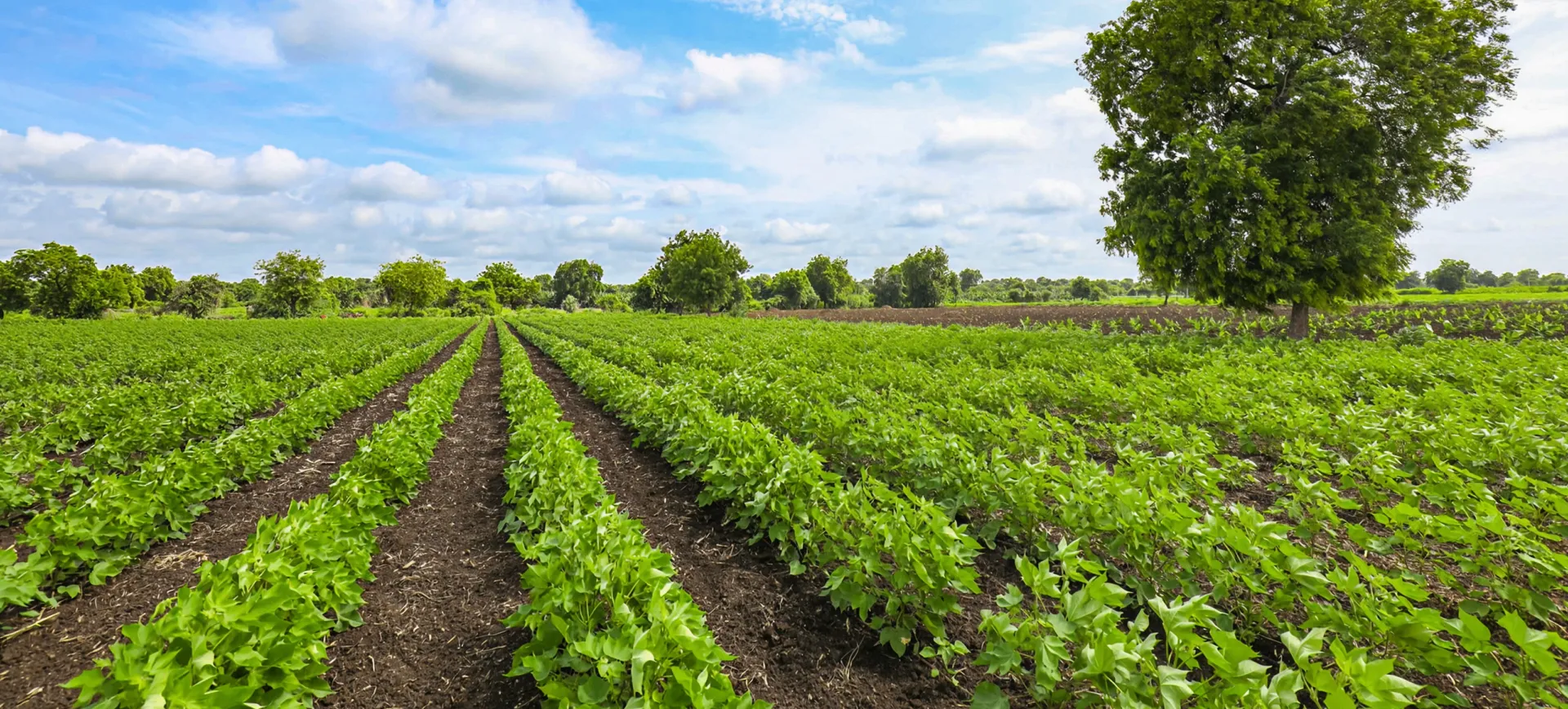
70%, applied FOM/LFOM - yields rose 25%, soil pH normalized 6.8, ROI 250%. Gujarat cotton fields
reclaimed via organics outproduced neighbours sustainably.
Challenges and Solutions
- Initial Yield Dip: Hybrid phase + LFOM bridges gap (7-10% only).
- Availability: Bulk organic manure from trusted sources.
- Knowledge: KVK trainings + Tamil videos accelerate adoption.
Long-Term Vision for Future of Agriculture
Switching aligns with India's organic mission (2.78M ha certified), reducing imports (₹1.5L Cr urea) and
building climate-smart farms. Soil microbes from FOM/LFOM ensure enduring soil fertility.