How to Prepare Your Farm Soil Before the Next Cropping Season
Preparing farm soil before the next cropping season is one of the most important steps for maintaining soil health, soil fertility and consistent yields. When farmers start with a soil test, rebuild organic matter and apply organic manure, biofertilizer and fermented organic manure at the right time, the next crop starts with a stronger root zone and better nutrient availability.
This is especially useful for local farmers who want to reduce chemical dependence and follow sustainable agriculture practices. A well-prepared field supports soil microbes, improves water retention and makes organic farming more productive over multiple seasons.
Why pre-season preparation matters
Soil preparation is not just ploughing. It is the process of restoring structure, moisture balance, and biological activity before the next crop begins. A field that is properly prepared will usually need fewer corrections later and respond better to organic inputs.
For agriculture farming systems, this is the stage where soil fertility is either rebuilt or lost. Farmers who prepare the soil with organic matter and microbial support often see better crop establishment and more stable harvests. That is why pre-season planning is a core part of sustainable farming practices.
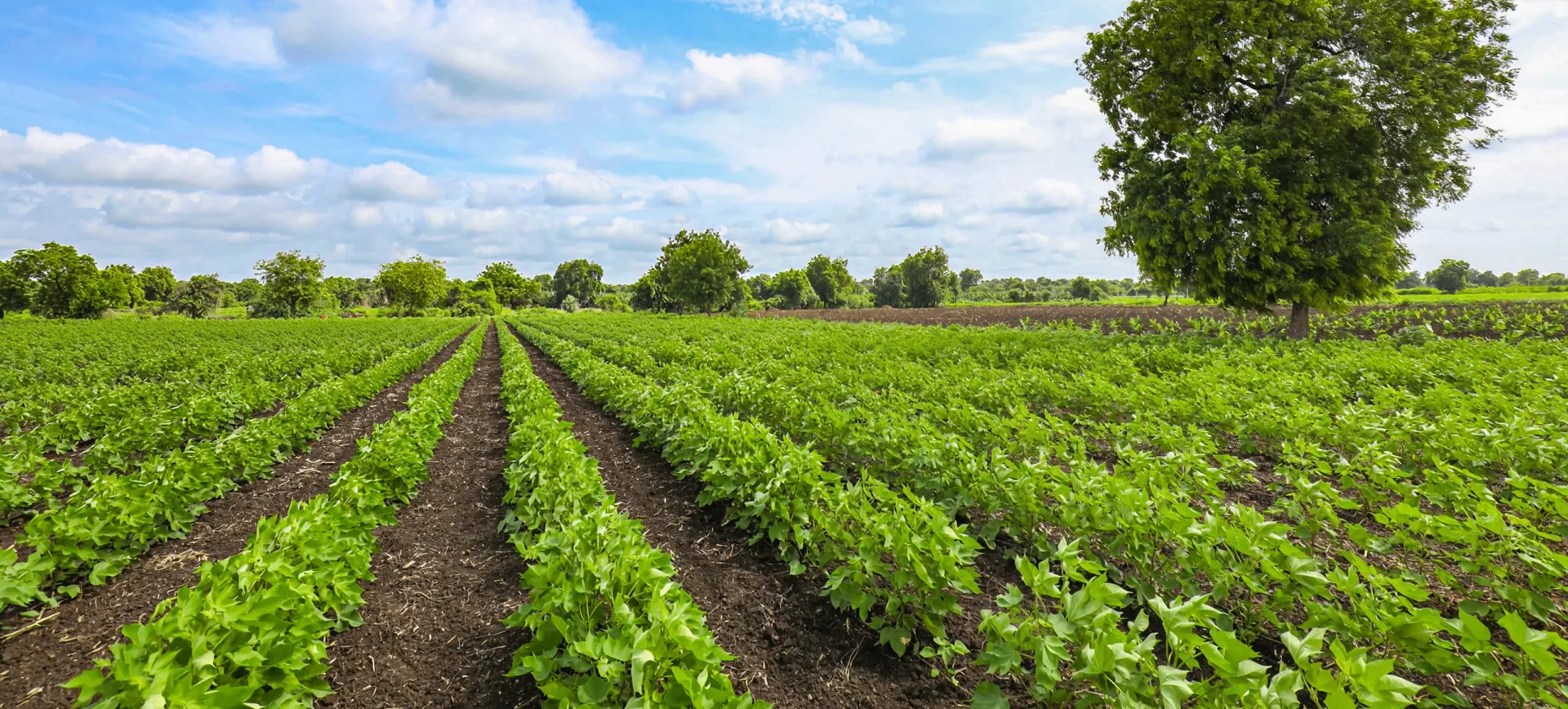
A well-prepared soil bed with organic matter and good structure gives the next crop a stronger start.
Start with a soil test
The first step is always a soil test. It tells the farmer whether the field needs more organic matter, better pH correction, improved drainage or stronger microbial support. Without this information, it is easy to apply the wrong organic fertilizer for farming and waste inputs.
A soil test also helps farmers decide whether the field needs compost, fermented organic manure, biofertilizer or liquid fermented organic manure. This makes organic agriculture more precise and reduces guesswork. For sustainable agriculture solutions, soil testing is the first practical step.
Clear residue and assess the field
After harvest, the field should be cleared of old crop residue, weeds and any leftover plant material that could carry pests or disease. At the same time, the farmer should check for compaction, poor drainage or hardpan layers that may restrict root growth.
If the soil is compacted, a limited deep-tillage or chiselling pass may be needed before the next season. But this should be done carefully, because excessive tillage can damage soil structure and reduce microbial activity. The goal is to open the soil without destroying its natural structure.
Add organic matter early
Once the field is assessed, the next step is to rebuild organic matter. Compost, farmyard manure, fermented organic manure and well-decomposed crop residue all help improve structure and moisture retention. These inputs also feed soil microbes and create a better root environment for the next crop.
For many farms, applying organic manure or fermented organic manure before the main cropping season gives the best results. It allows time for decomposition and nutrient release before the crop starts active growth. This is one of the most reliable soil health solutions for farmers who want long-term productivity.
Use green manure where possible
Green manure crops are a strong option for rebuilding soil fertility naturally. Leguminous crops can be grown for a short period and then incorporated into the soil to add organic matter and nitrogen. This improves soil structure and supports beneficial microbes.
For fields that have been heavily cropped or chemically managed, green manure is especially useful. It helps the soil recover and reduces the need for synthetic correction in the next season. This is a practical example of sustainable agricultural practices in action.
Apply biofertilizer at the right stage
Biofertilizer works best when applied during soil preparation or at sowing. It helps activate beneficial microbes and improves nutrient availability for the next crop. For best results, it should be used with compost or fermented organic manure so the microbes have enough organic matter to establish.
This is especially important for farms that want to reduce chemical dependence. Biofertilizer is not a quick fix, but it is a powerful long-term support tool when used consistently. That is why it is a key part of organic farming systems.
Improve moisture and drainage
Before the next crop, the farmer should check how water moves through the field. If water pools or drains too quickly, the soil may need better structure or mulch cover. Good drainage and moisture retention are both essential for healthy root growth.
Mulching and residue cover help protect the soil from heat and moisture loss. This is especially useful in dry or exposed fields. A covered soil surface also supports better microbial activity and reduces erosion.
Plan crop rotation
Crop rotation is one of the simplest ways to improve soil health naturally. Different crops use different nutrients and support different microbial communities. Rotating crops helps break pest cycles and reduces the risk of nutrient imbalance.
For farms that grow the same crop repeatedly, rotation becomes even more important. It helps the soil recover and supports better long-term fertility. This is a core principle of sustainable agricultural practices.
Prepare the seedbed carefully
Once the field is cleared, amended and levelled, the next step is seedbed preparation. The soil should be loose enough for roots to grow but not so loose that it loses structure. A good seedbed supports better germination and early root establishment.
For organic farming, this is the stage where compost, biofertilizer, and liquid fermented organic manure can be combined for the best start. A well-prepared seedbed reduces early stress and helps the crop establish faster.
Use LFOM for early support
Liquid fermented organic manure can be useful during early crop growth or after transplanting. It gives faster support than solid inputs alone and helps the crop recover from stress. It can be applied through irrigation or as a foliar spray depending on the crop.
This makes LFOM a practical addition to a pre-season plan. It supports the crop during the early stages and helps maintain microbial activity in the root zone. For farms that want soil nutrients for plants to stay available, LFOM is a useful supporting input.
Coconut and perennial crop note
Perennial crops like coconut need special attention because the same soil supports the crop for many years. For these farms, pre-season preparation should focus on the feeder root zone, mulch and regular organic top-ups. Organic manure for coconut farming works best when combined with biofertilizer and consistent moisture management.
For farmers managing plantation crops, a steady program of organic inputs is more effective than occasional heavy feeding. This is where direct from farm supply and organic soil conditioner use become valuable.
What farmers should avoid
Do not start the season with compacted soil or poor drainage. Do not apply organic inputs without a soil test, because that can lead to overuse or wrong product choice. Also avoid excessive tillage, which can damage soil structure and reduce microbial activity.
The best approach is to prepare the field based on actual soil condition and crop need. That makes farming solutions more effective and supports the future of agriculture through better soil management.