How to Maintain Soil Moisture Naturally with Organic Mulching
Organic mulching is one of the simplest and most effective ways to maintain soil moisture naturally. By covering the soil with crop residue, straw, grass or composted material, farmers reduce evaporation, protect soil microbes and improve water availability for crops in sustainable agriculture.
For local farmers, this practice is especially valuable in dry or irregular rainfall conditions. Organic mulch not only conserves moisture but also feeds soil microbes, improves soil structure and supports long-term soil fertility as it decomposes.
Why mulching matters
Bare soil loses moisture quickly through evaporation, especially in hot weather. Organic mulch acts as a protective layer that slows this loss and keeps the root zone cooler and more stable. That means crops face less water stress and can absorb nutrients more efficiently.
This is why organic mulching is a core part of sustainable farming practices. It supports soil health, reduces irrigation need and helps farming solutions stay productive even when water is limited.
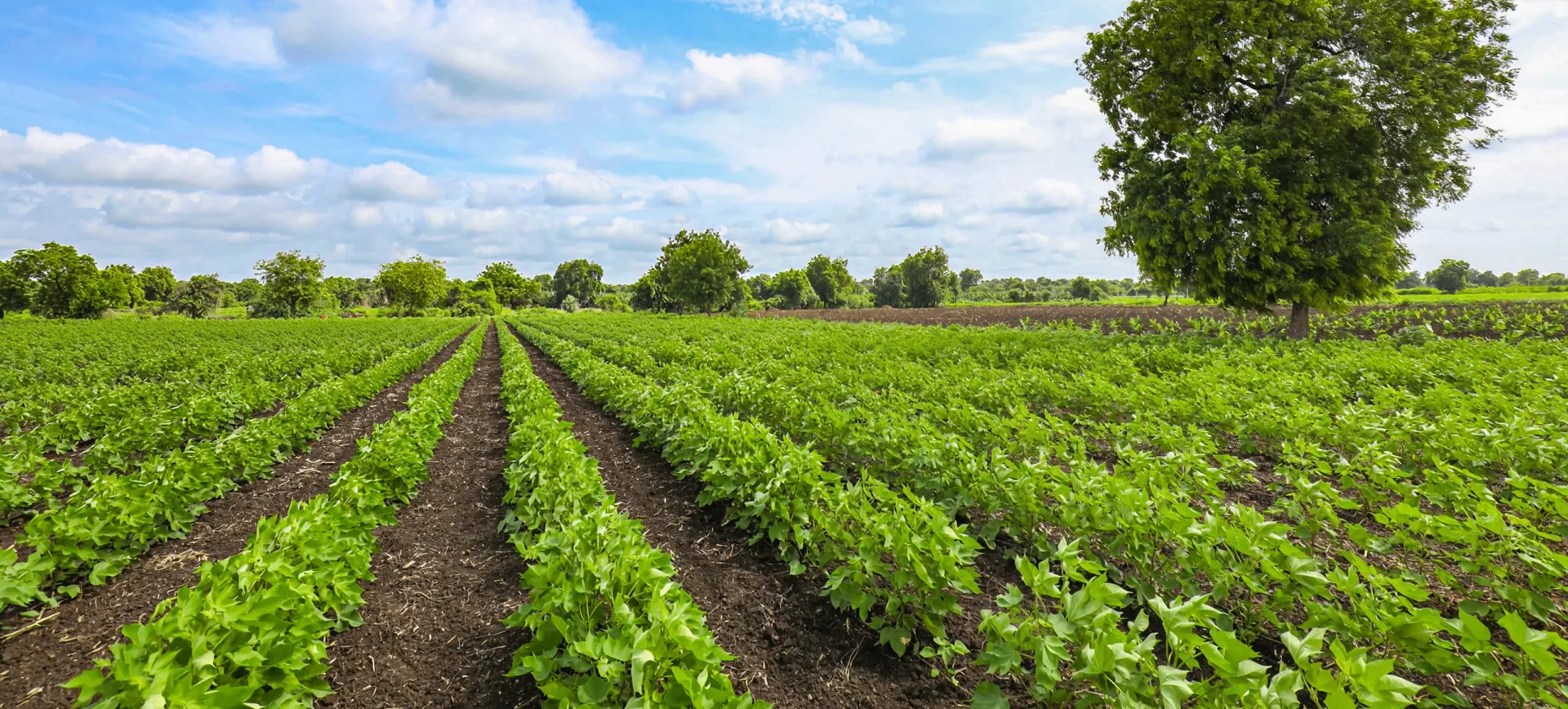
A mulched soil surface stays cooler, holds moisture longer and supports stronger root growth.
How organic mulch conserves moisture
Organic mulch works by creating a barrier between the soil and the air. It reduces direct sun exposure and wind effect on the surface, which slows evaporation. At the same time, it allows rain or irrigation water to enter the soil more easily instead of running off.
This improves water infiltration and keeps moisture available longer in the root zone. For sandy soils, organic mulch also improves water-holding capacity as it breaks down and adds organic matter.
Best organic mulch materials
Farmers can use many local materials for mulching:
- Crop residue such as straw or husk.
- Dried grass or weed-free clippings.
- Coconut husk or coir waste.
- Composted leaves or leaf litter.
- Well-rotted farmyard manure as a top layer.
These materials are widely available and support organic farming systems. As they decompose, they add organic matter and improve soil structure over time.
How to apply mulch correctly
Mulch should be applied after the soil is moist, not dry. Spread it evenly around the base of plants or along crop rows, keeping a small gap around the stem to avoid rot. A layer of about 5–10 cm is usually enough for most field crops.
For perennial crops like coconut, mulch should be placed around the feeder root zone and refreshed periodically. This helps maintain moisture and supports better nutrient uptake over time.
Mulch and soil microbes
Organic mulch feeds soil microbes as it decomposes. That increases microbial activity and improves nutrient cycling in the root zone. This is one of the biggest long-term benefits of mulching in organic agriculture.
Healthier microbial activity also improves soil structure and nutrient availability. That means crops get better access to soil nutrients for plants without relying heavily on synthetic inputs.
Mulch and weed control
Mulch suppresses weed growth by blocking light from reaching the soil surface. Fewer weeds mean less competition for water and nutrients. This is especially useful in organic farming where chemical weed control is limited.
By reducing weeds naturally, mulch also reduces the need for frequent tillage. That helps preserve soil structure and microbial habitat, which supports sustainable agricultural practices.
Mulch and temperature control
Organic mulch keeps soil cooler during hot weather and warmer during cold periods. This temperature moderation protects roots and reduces stress on crops. It also helps maintain more stable microbial activity in the soil.
For farms in hot climates, this temperature buffering is a major advantage. It makes organic farming more reliable and supports better crop performance across seasons.
Mulch and erosion control
Mulch protects the soil surface from rain impact and wind. That reduces erosion and helps keep topsoil in place. This is especially important on sloped land or fields with loose soil.
By reducing erosion, mulch also protects organic matter and nutrients from being washed away. That supports long-term soil fertility and makes farming solutions more sustainable.
Coconut and perennial crop focus
For coconut farms, mulching around the feeder root zone is especially important. It helps maintain moisture, supports root health, and improves nutrient availability over time. Organic manure for coconut farming works best when combined with regular mulch renewal.
For perennial crops, consistency matters more than one-time application. A steady mulch program supports better water use and long-term productivity.
How to combine mulch with organic inputs
Mulch works best when paired with organic manure, biofertilizer and liquid fermented organic manure. The mulch protects moisture while the organic inputs feed the soil and support microbial life. Together, they create a stronger root environment for crops.
A simple field routine can look like this:
- Apply organic manure before planting.
- Use biofertiliser at sowing.
- Add mulch after irrigation or rain.
- Use LFOM during growth for extra support.
- Refresh mulch as it decomposes.
This kind of system supports sustainable agriculture and reduces the need for chemical correction.
| Mulch type |
Main benefit |
Best use |
| Straw or crop residue |
Moisture retention |
Field crops |
| Coconut husk/coir |
Long-lasting cover |
Perennial crops |
| Dried grass |
Quick cover |
Vegetable beds |
| Composted leaves |
Feeds microbes |
All crops |
| Farmyard manure top layer |
Adds nutrients |
Root-zone support |
Explore agricultural solutions that support moisture conservation and organic soil management.