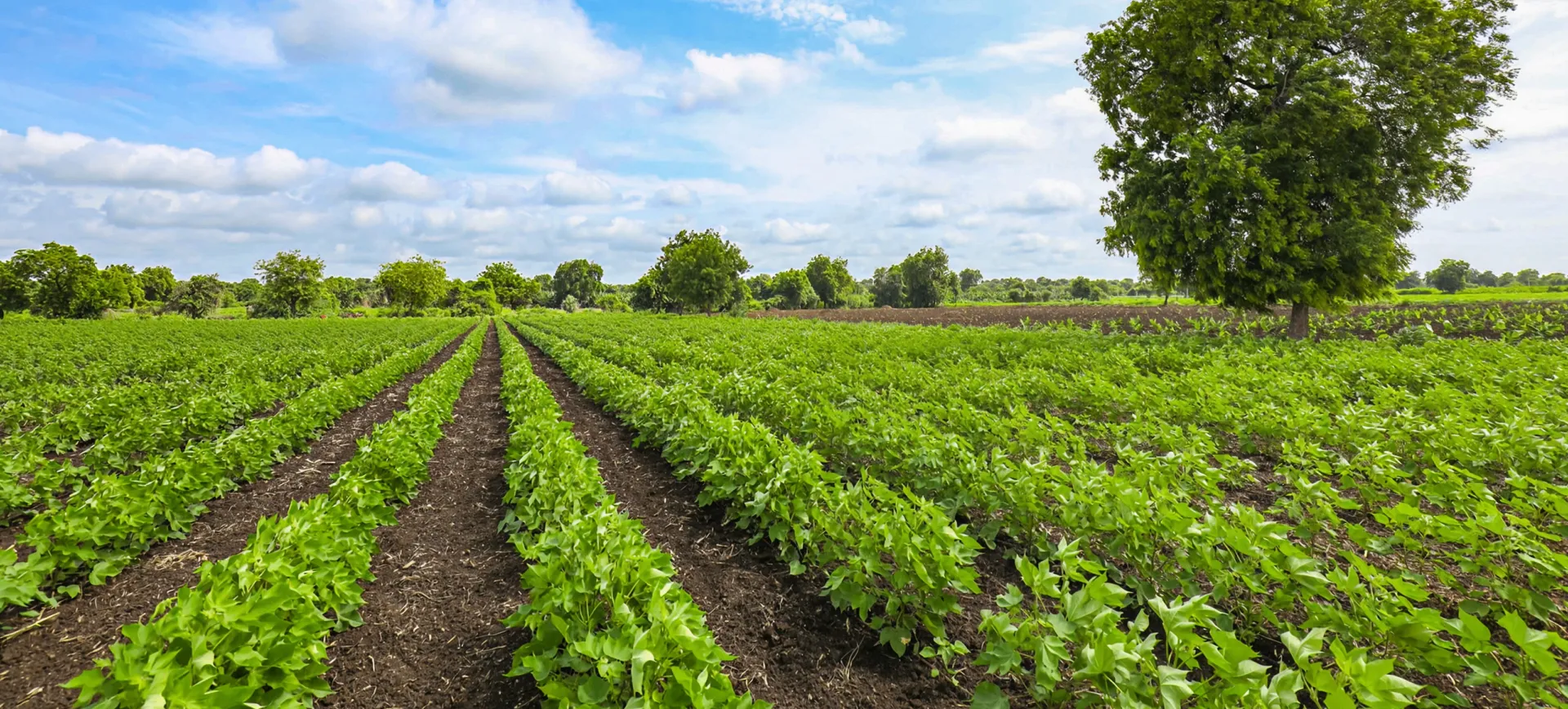
How to Improve Saline Soil for Farming – A Simple Guide for Indian Farmers
Saline soils affect over 6.7 million hectares in India, crippling agriculture farming by limiting water
uptake and stunting crops, but organic solutions like fermented organic manure and biofertilizers offer
simple, effective reclamation for local farmers. This guide details proven sustainable farming practices
to restore soil health, boost soil fertility and enable chemical-free productivity tailored for Indian
conditions.
Understanding Saline Soil Challenges in India
Saline soils feature high electrical conductivity (EC >4 ds/m) from excess sodium, chloride and other
salts, often in coastal Gujarat, Tamil Nadu, West Bengal and irrigated Indo-Gangetic plains. Causes
include poor drainage, seawater intrusion, over-irrigation with saline water and rising groundwater
tables, leading to osmotic stress, ion toxicity (Na+ build-up) and nutrient lockup. Crops like rice,
wheat and cotton suffer 20-50% yield losses; white salt crusts on surfaces signal urgency. Without
intervention, this threatens food security amid climate change, but sustainable agriculture revives
these lands naturally.
Step 1: Initial Assessment and Leaching
Test soil EC, pH, ESP (exchangeable sodium percentage) and nutrients
via local labs or SHC cards - aim for EC <2 ds/m post-reclamation.
Leach salts by heavy irrigation (10-15 cm water) with good-quality
freshwater (EC <0.5 ds/m), followed by drainage to flush 20-30% pore volume salts.
For coastal areas, build bunds to prevent seawater ingress.
This physical step prepares soil for organic inputs, reducing
salinity by 30-50% in first season.
Step 2: Improve Drainage and Structure
Install subsurface drains (every 30-50m) or raised beds/ridges (15-20
cm high) to expel salty water; furrow irrigation keeps salts from roots.
Organic manure like farmyard manure (FYM, 10-15 t/ha) loosens sodic
clays, enhancing infiltration and aeration for soil microbes.
Step 3: Apply Organic Amendments for Reclamation
Cement reservoir with cow manure for crops in rural Hainan Province, China.
Organic matter dilutes salts, binds sodium and stimulates soil microbes that solubilize nutrients.
Key practices:
Gypsum + Organics: Apply 2-4 t/ha gypsum (CaSO4) to
displace Na+, combined with FYM or fermented
organic manure (FOM) at 150-200 kg/acre. FOM's microbes accelerate reclamation, cutting
EC by 25% in 6 months.
Green Manures: Grow salt-tolerant dhaincha
(Sesbania) or sun hemp (15-20 t/ha biomass), plow in situ to add organic carbon and nitrogen.
Liquid Fermented Organic Manure (LFOM) :
Dilute 1:50 for foliar/fertigation (200-400 L/acre), boosting tolerance and root growth via enzymes.
Biofertilizer: Inoculate with Azospirillum/PSB
(phosphate solubilizers) for N/P fixation in saline stress.
These sustainable agricultural practices build 1-2% organic carbon, vital for soil health in India.
Green manure crops like dhaincha growing on saline plots, plowed for natural soil
improvement.
Amendment
Dosage
Salinity Reduction
Crop Benefit
FOM
5-10 t
20-30% EC drop
Microbe boost
Gypsum + FYM
2-4 t + 10 t
Na + K displacement
Structure
LFOM
500L (diluted)
Ionic Balance
Yield 15-25%
Green Manure
15 t biomass
Organic C up 1%
N-fixation
Step 4: Select Salt-Tolerant Crops and Management
Start with tolerant varieties: Bhalia wheat, barley, sorghum, cotton
or horti crops like pomegranate, date palm.
Use drip irrigation to minimize salt build-up; mulch with crop
residues to prevent evaporation.
Rotate with halophytes like salicornia for cash income during
reclamation.
Step 5: Monitor and Maintain Long-Term
Retest EC quarterly; maintain with annual FOM/LFOM and legumes.
Expect full productivity in 2-3 years, with yields matching normal
soils.
Integrate agroforestry (mangroves/coastal) for coastal resilience.
These farming solutions ensure sustainable farming for the future of agriculture.
Timeline
Action
Expected EC Drop
Month 1-3
Leaching + Gypsum/FOM
30-40%
Month 4-6
Green manure + LFOM
20% + microbes
Year 2+
Rotation + organics
2 ds/m
Infographic: 5-step saline soil reclamation flow using organics for Indian farmers.
Case Studies from Indian Farms
In Gujarat's coastal saline blocks, farmers using FOM + gypsum reclaimed 40% land, boosting
cotton yields 25% via improved soil microbes. Maharashtra's SSD projects with organics yielded rice
increases post-drainage. Coconut growers report ROI via FOM/LFOM combos, with soil EC down and nuts/tree
up.
Challenges and Tips for Local Farmers
Water scarcity hinders leaching - use farm ponds or rainwater. High initial costs offset by subsidies
(PMKSY) and yield gains.
Access agricultural solutions like NABL-tested organics for reliable results.
Environmental and Economic Gains
Organic methods sequester carbon, reduce run-off and cut chemical dependency, aligning with
sustainable agricultural practices. Farmers save 20-30% on inputs, access premium markets.
Frequently Asked Questions
Every question brings us closer to supporting your success
Irrigation, intrusion, poor drainage; affects 6.7M ha.