How Soil Testing Helps Farmers Select the Right Organic Inputs
Soil testing helps farmers choose the right organic inputs by showing what the soil
already has, what it lacks and how it will respond to different amendments. That means farmers can match
organic manure, biofertilizer, fermented organic manure and liquid fermented organic manure to the
actual needs of the field instead of guessing.
For sustainable agriculture, this is one of the smartest first steps because it protects
soil health, improves soil fertility and reduces waste. A good soil test turns organic farming into a
data-based system, which is especially useful for local farmers who want better crop results with fewer
mistakes.
Why soil testing matters
Every soil is different. Even fields next to each other can have different pH, nutrient
levels, organic matter and microbial activity. Without a test, farmers may apply the wrong organic
fertilizer for farming, which can slow growth or waste valuable inputs.
Soil testing shows whether the field needs more carbon, more nitrogen support, better
phosphorus availability, or improved moisture retention. That makes it easier to choose the right
agricultural solutions and follow sustainable farming practices with confidence.
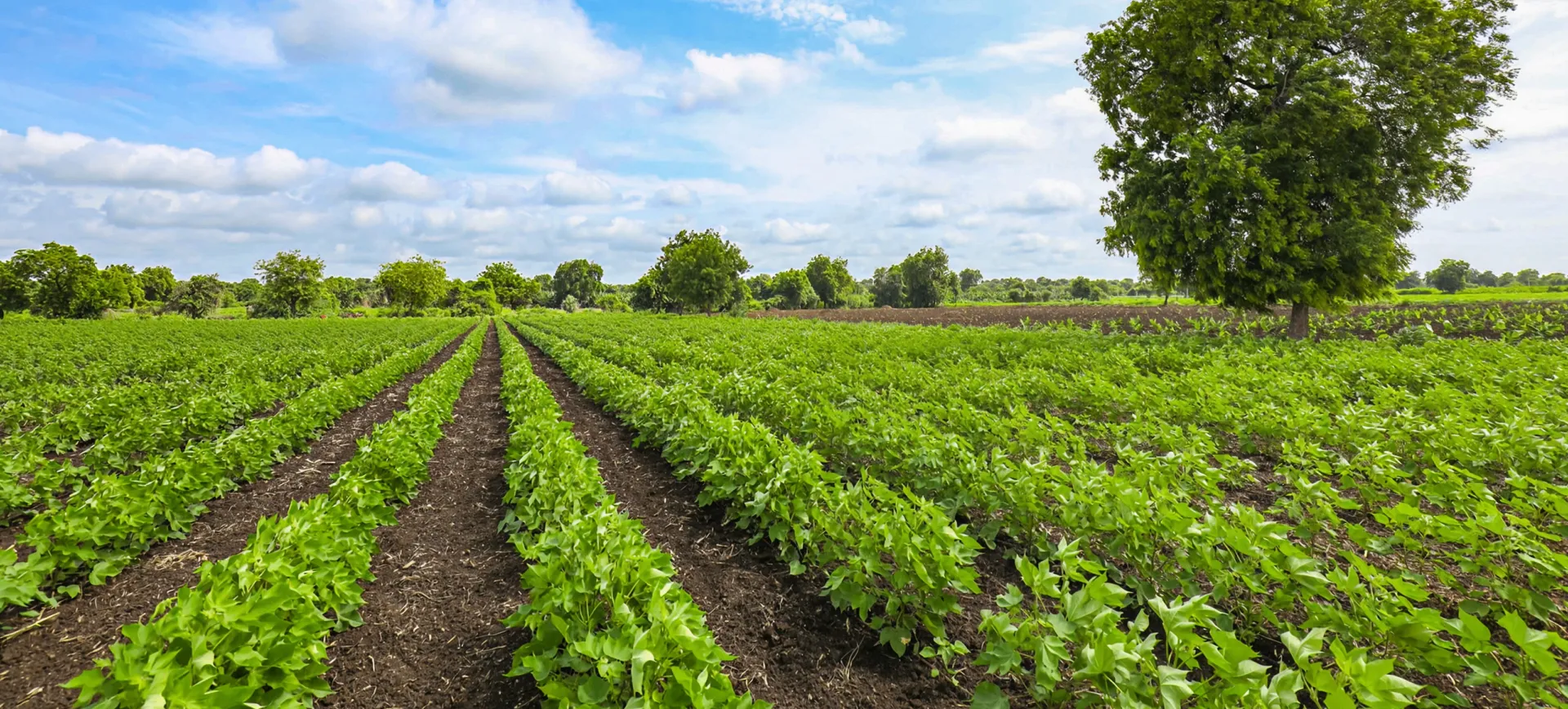
A soil profile like this helps explain why one field may need more organic matter while
another needs stronger microbial support.
What soil tests tell farmers
A good soil test usually measures pH, EC, organic matter and major nutrients such as
nitrogen, phosphorus and potassium. Some tests also show micronutrient levels and signs of compaction or
salinity. In organic agriculture, organic matter is especially important because it supports soil
microbes and nutrient cycling.
If the report shows low organic matter, the farm likely needs compost, organic manure or
fermented organic manure. If microbial activity is weak, biofertilizer should be part of the plan. If
the soil is dry or compacted, an organic soil conditioner can help improve structure.
How to read a soil report
Farmers do not need to be scientists to use a soil report well. The main goal is to
understand three things:
What the soil already contains.
What the crop is likely to need.
Which organic inputs will improve the next season.
For example, if the report shows low nitrogen and low organic carbon, a combination of
organic manure and biofertilizer may be the best fit. If the soil is already rich in nutrients but weak
in biology, microbial inputs become more important. This is why soil testing is one of the most practical farming solutions available today.
Choosing the right organic inputs
Once the soil report is ready, the next step is matching it with the right input type.
Low organic matter Use compost, fermented organic manure, and crop
residue recycling. These inputs improve structure, moisture retention and long-term fertility.
Low biological activity Use biofertilizer and liquid fermented
organic manure. These inputs help activate soil microbes and improve nutrient release.
Poor root-zone structure Use organic manure and mulch. These improve
aeration and make the root zone easier for crops to grow through.
Crop stress or slow growth Use liquid fermented organic manure as a
supporting input during active growth stages. It gives faster response than solid manure alone.
This approach is especially useful for farms that want soil health solutions for farmers
based on actual field needs rather than a fixed input package.
Soil testing for coconut and perennial crops
Perennial crops need special attention because they stay in the same soil for many years.
Coconut farms, for example, depend heavily on root-zone health and long-term nutrient balance. Soil
tests help farmers decide whether the field needs more organic manure for coconut farming, more mulch or
stronger microbial support around the feeder roots.
For plantation crops, the right choice often includes organic manure in the basin,
biofertilizer near the root zone and liquid fermented organic manure during growth. This is a simple but
effective way to improve soil nutrients for plants over time.
Why this improves crop results
When farmers apply the right organic input based on soil test results, several things
improve at once:
Roots grow better.
Nutrients become more available.
Soil microbes stay active.
Water is held more efficiently.
Yield becomes more stable across seasons.
That is why soil testing is not just a lab activity. It is a practical tool for improving
farm productivity, lowering input waste and strengthening sustainable agricultural
practices.
Best timing for soil testing
The best time to test soil is before the main planting season or before adding major
inputs. That gives farmers enough time to plan the right amendments and avoid last-minute corrections.
In seasonal farming, annual testing is usually enough for most fields, while high-value or intensive
crops may need more frequent checks.
If the field has had poor yields, visible nutrient deficiency, or repeated chemical use,
testing becomes even more important. It helps farmers reset the field with a clearer organic plan.
Soil testing and long-term recovery
Soil testing also helps farmers track soil recovery over time. If a field has been under
stress, the test can show whether organic manure, biofertilizer and fermented organic manure are
improving the situation. That makes it easier to compare seasons and adjust the plan when needed.
For farmers aiming for the future of agriculture, this is a
major advantage. A well-tested field is easier to manage, more resilient to weather changes and more
likely to produce consistent results.
How to use the results in the field
A practical soil-test-based routine can look like this:
Pre-season: test soil and identify gaps.
Pre-planting: apply organic manure or fermented organic manure.
Sowing or transplanting: use biofertilizer.
Growth stage: support with liquid fermented organic manure.
After harvest: recycle residue and retest next season.
This seasonal cycle keeps agriculture farming aligned with the actual condition of the
soil rather than guesswork. It also supports organic farming systems that want stronger returns over
time.
What farmers should avoid
Do not choose organic inputs only by price or popularity. A cheap input may not solve the
real soil problem. Also avoid using living biofertilizer without checking compatibility with chemical
residues or poor storage conditions.
Another common mistake is skipping soil testing after a bad season. That can lead to
repeated errors and slower recovery. Testing gives the farm a proper direction and makes agricultural
inputs more effective.
A soil sample taken from multiple points in the field gives a more accurate picture than
a single scoop.
Frequently Asked Questions
Every question brings us closer to supporting your success
It shows what nutrients are missing and helps farmers choose the
right organic manure or biofertilizer.
Yes, because it helps match inputs to crop needs and reduces
nutrient waste.
pH, organic matter, major nutrients and signs of poor structure or
salinity.
It makes organic farming more accurate, efficient and sustainable.
Use compost, fermented organic manure and residue recycling to
rebuild it.
Yes, it helps farmers manage feeder roots, organic manure use and
long-term fertility.